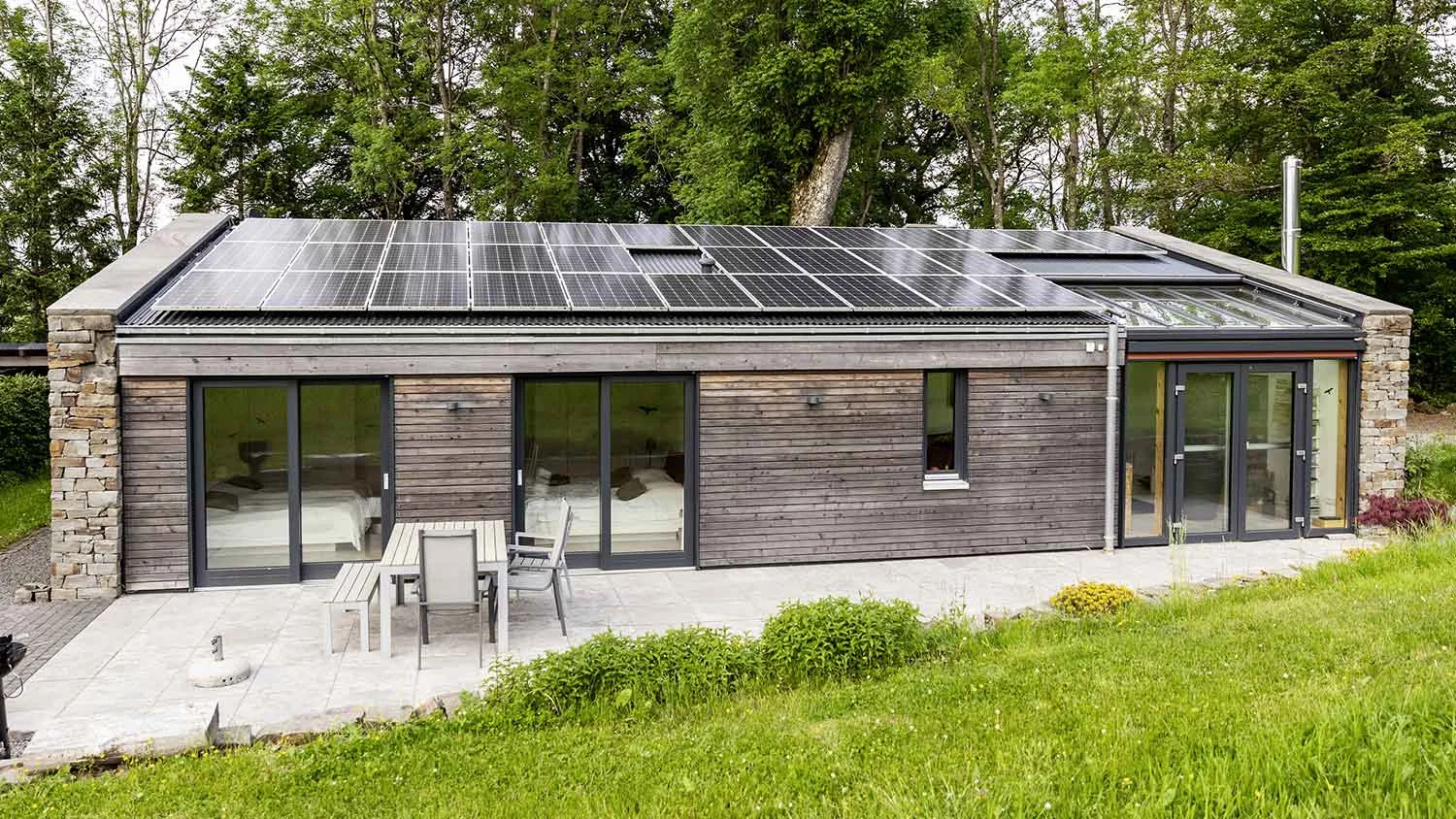
A more energy-aware home does not have to begin with a dramatic transformation. Often, the most useful place to begin is noticing where comfort slips away: a chilly entry, a room that never quite warms, or a light left on because its switch is inconveniently placed.
Start with the everyday signals
Walk through the home with comfort in mind. Look for drafts around doors and windows, rooms that feel uneven, or sunlight that makes a favorite corner too warm. Small repairs—fresh weatherstripping, careful sealing, and improved shading—can make the home feel more settled while you consider larger plans.
Pay attention to the systems you already use. Efficient lighting, well-maintained equipment, and water-saving fixtures can support daily routines without making them feel like a compromise.
Choose materials with a longer view
Durable materials are a simple form of resourcefulness. A floor that can be refinished, a fixture that can be repaired, or a finish that wears gracefully may serve the home for longer than a trend-led alternative. Whenever possible, keep existing elements that still work and build the new design around them.
For larger decisions, consider the full life of the product: how it is made, how it performs, and what care it will need. A clear conversation with a qualified professional can help weigh those factors against your home and your priorities.
Plan for the energy you want to use
Solar and other energy upgrades are most successful when they fit the home rather than arriving as an afterthought. Roof condition, shade, electrical needs, and the way you use energy all deserve a careful look before a system is selected.
Greener living is a practice, not a finish line. Begin with the change that makes sense for your home now, notice what improves, and let the next decision follow naturally. A thoughtful home can feel lighter on the planet and more comfortable for the people who live in it.